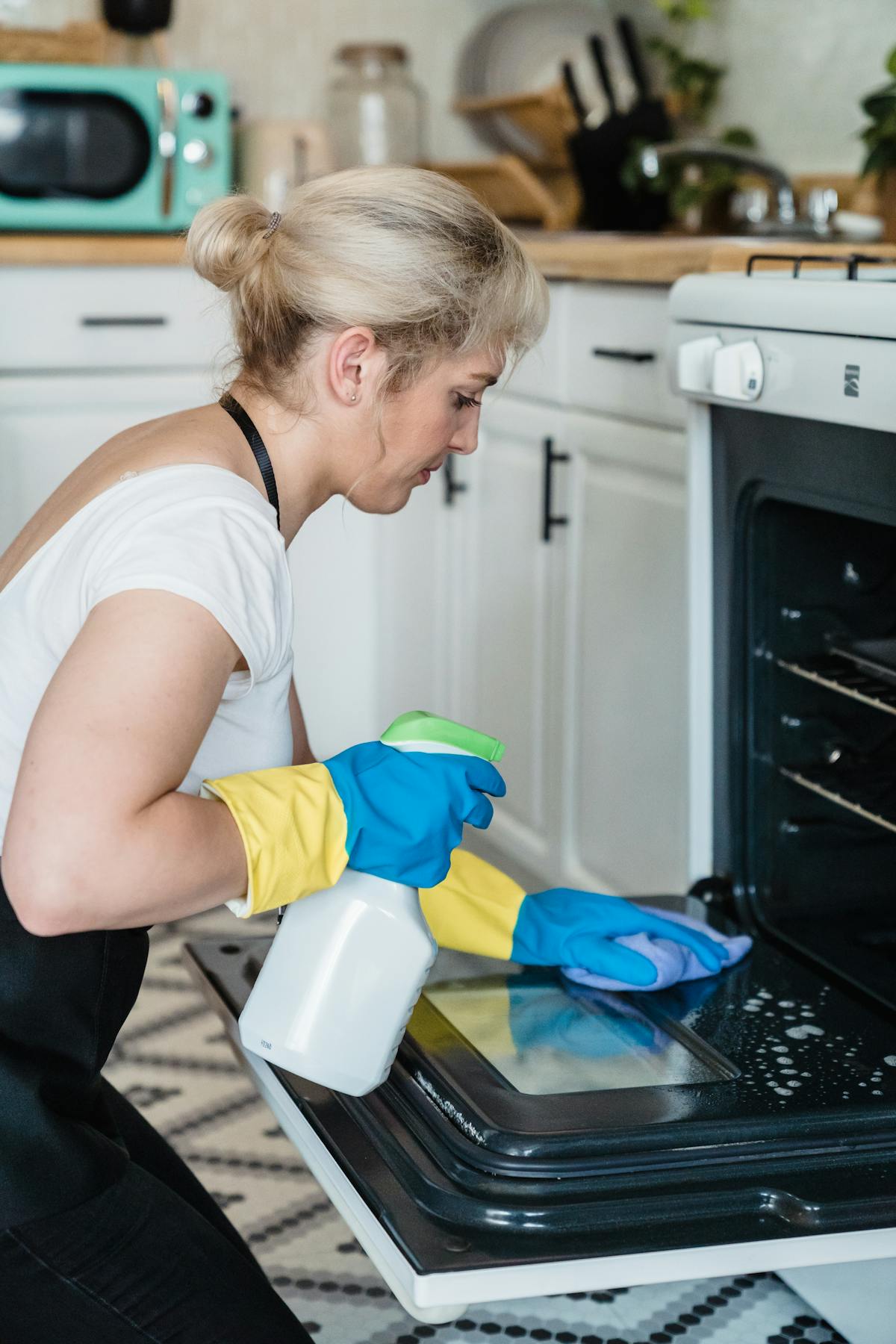
How to Remove Grease From a Range Hood Filter: A Practical Deep-Cleaning Guide
Quick Answer: The Best Way to Clean a Greasy Range Hood Filter To clean a standard metal mesh range hood filter clogged with grease, place it in a heat-safe basin or clean kitchen sink plugged securely. Fill the container with boiling water, half a cup of baking soda, and a generous squirt of heavy-duty grease-cutting dish soap, such as Dawn dish soap. Submerge the filter completely and let it soak for 15 to 20 minutes. The extreme heat softens hardened fats, while the alkaline baking soda and liquid surfactants lift stubborn lipids from the narrow mesh layers. Scrub gently with a non-abrasive nylon brush, rinse under scalding tap water, and air dry completely on a towel before sliding the filter back into the vent housing.
Why Range Hood Filters Get So Greasy (and Why Cleaning Matters)
Every time you cook on a stovetop, heat aerosolizes oils, butter, animal fats, and water vapor. Your range hood exhaust fan pulls this hot air upward to maintain indoor air quality and keep fine grease from settling onto kitchen cabinets, walls, and countertops. As the vapor passes through the cool metal weave of the filter, the oil condenses and solidifies into a sticky yellow or brown residue. When neglected for months, this layer transforms into a thick, varnish-like paste. Dust, pet dander, and airborne debris bind to the sticky surface, restricting airflow through the ductwork. Reduced airflow forces your exhaust fan motor to work harder, making it noisy and inefficient. More importantly, heavily accumulated grease presents a genuine fire risk over open flames on gas cooktops and electric burners. For apartment tenants and renters, neglecting these filters can lead to persistent cooking odors inside the living space and unwanted move-out cleaning fees. In homes with hard water, mineral deposits from steam can combine with evaporated grease to create a resistant coating that resists basic wipedowns. Understanding your filter type and applying targeted degreasing techniques will restore airflow and keep your kitchen running cleanly. Materials Needed Having the right supplies on hand ensures you can break down sticky grease without damaging delicate metal mesh. Gather these basic items before starting:
- Boiling or scalding hot water (enough to submerge the filters fully)
- Concentrated grease-cutting dish soap (such as Dawn Platinum)
- Baking soda (sodium bicarbonate)
- Soft-bristle nylon scrub brush or dish brush
- Heat-resistant basin, large rimmed baking sheet, deep roasting pan, or clean sink basin
- Microfiber towels or a drying rack
- Optional for stainless steel baffle filters: Bar Keepers Friend cleanser
- Optional for severe grease: Heavy-duty rubber gloves
Step-by-Step Instructions: How to Degrease Range Hood Filters Method 1: The Boiling Water, Baking Soda, and Soap Soak This classic soak method works exceptionally well on aluminum mesh filters, which make up the vast majority of residential stove vents in US homes. 1. Remove the filters safely. Unlatch the metal push-tabs or spring-loaded clips holding the filter frame against the hood underside. Slide the metal screen out slowly to avoid dripping liquefied grease onto your stove top. 2. Prepare your soaking vessel. If using your kitchen sink, scrub the basin clean and insert the stopper. Alternatively, place a deep rimmed roasting pan or heat-safe plastic tub on a flat counter protected by a towel. 3. Add the cleaning agents. Measure out 1/2 cup of baking soda and add a generous tablespoon of grease-cutting liquid dish soap directly into the basin. 4. Pour boiling water carefully. Bring a large pot or kettle of water to a rolling boil. Pour the boiling water into the basin over the soap and baking soda. The liquid will fizz vigorously as the alkaline soda reacts with the heated water. Stir briefly with a long spoon to dissolve the powder. 5. Submerge the filter. Slide the grease filter completely into the hot bath. If your sink or pan is not wide enough to lay the filter flat, submerge one half for 10 to 15 minutes, flip the unit over, and soak the remaining side. 6. Let the solution work. Allow the metal screen to soak undisturbed for 15 to 20 minutes. As the heat liquefies solidified butter and oils, the detergent molecules surround the lipids, holding them in suspension so they cannot re-attach to the metal. 7. Scrub gently. Remove the filter from the bath using tongs or gloved hands. Use a soft-bristle nylon brush to work away remaining yellow grease pockets. Pay close attention to the outer frame edges and corners where mesh folds meet metal supports. 8. Rinse thoroughly with hot water. Hold the filter vertically under hot running tap water to flush away loosened dirt and soap residue from inner mesh layers. 9. Dry and inspect. Shake off excess moisture over the sink. Set the filter upright on a clean towel or drying rack. Ensure every layer is entirely dry before reinstalling it into the hood assembly. Method 2: Cleaning Stainless Steel Baffle Filters Unlike lightweight wire mesh, professional-style stainless steel baffle filters feature smooth curved metal channels that force air to change direction quickly, knocking oil out of the stream. Baffles are common in commercial-style residential ranges. 1. Wash in the dishwasher or sink. Stainless steel baffle filters are durable and dishwasher-safe. Secure them on the lower rack of your dishwasher and run a heavy-duty cycle using standard automatic dishwashing detergent with heated drying. 2. Treat stubborn heat-stained surfaces. If baked-on varnish remains on stainless steel surfaces after a dishwasher cycle, wet the metal and apply a small sprinkle of Bar Keepers Friend. Gently rub along the grain of the stainless steel using a non-scratch sponge, then rinse thoroughly and dry with a microfiber cloth. Method 3: Spot-Treating Heavy Yellow Sludge If your filter has not been cleaned in years and carries a stiff, waxy amber coating, a plain soak may require an extra boost. 1. Create a thick degreasing paste. Mix 1/2 cup of baking soda with 2 tablespoons of concentrated dish soap and 1 tablespoon of warm water until a thick, spreadable paste forms. 2. Coat the screen thoroughly. Spread the paste evenly across both sides of the filter mesh using a soft brush or gloved hands. Let the mixture sit on the metal for 20 minutes to penetrate dense oil layers. 3. Follow with boiling water rinse. Place the coated filter in your sink and pour boiling water directly over the mesh to melt the paste away, dragging dissolved grease down the drain. Method 4: Ductless Hoods and Charcoal Filter Replacement Many apartments and non-vented residential kitchens use ductless range hoods that recirculate filtered air back into the room rather than venting outside. 1. Identify dual-layer filtration systems. Non-vented hoods typically pair an outer aluminum grease mesh with an inner dark grey or black activated charcoal filter pad. 2. Do NOT submerge activated charcoal pads. Charcoal filters absorb trapped odors through microscopic pores. Washing them with water, dish soap, or detergent fills those pores with liquid and ruins their chemical absorption capabilities. 3. Separate the layers. Unclip or detach the dark charcoal pad from the metal screen frame. Wash the outer aluminum screen following Method 1. Throw away the spent charcoal pad and replace it with a fresh unit every 3 to 6 months according to manufacturer recommendations.
What NOT to Do When Cleaning Range Hood Filters
Avoid these frequent cleaning mistakes that can permanently damage metal mesh screens or leave stubborn messes behind:
- Do not put thin aluminum mesh filters into the dishwasher. While some appliance manuals claim aluminum mesh is dishwasher safe, strong alkaline automatic dishwasher detergents and high drying temperatures cause severe surface oxidation. Aluminum turns dark gray or black, loses its shine, and becomes brittle over time.
- Do not use harsh abrasives or wire brushes. Steel wool, coarse scouring pads, and metal brushes bend delicate aluminum strands, shredding the fine wire weave and leaving rough edges that snag dirt faster in the future.
- Do not clean screens directly over garbage disposals without flushing ample hot water. Heavy chunks of grease entering a sink drain can cold-harden inside household plumbing pipes, leading to stubborn blockages.
- Do not soak carbon or paper filters. Water destroys activated carbon pads and paper liners. Replace these items instead of washing them.
- Do not reinstall a damp filter. Reinstalling a wet screen over a cooktop traps moisture inside internal hood electrical compartments, which can trigger corrosion or rust over time.
Safety Warnings and Material Protection
- Chemical Safety: Never mix household bleach with ammonia, acidic cleaners, vinegar, or other chemical descalers. Mixing bleach with acidic or nitrogenous compounds creates toxic chloramine or chlorine gas, which causes severe respiratory distress.
- Surface Protection: Take care when using acidic remedies like vinegar in the kitchen. Do not let vinegar or harsh chemical run-off come into contact with natural stone countertops, such as marble, granite, or soapstone, as acids strip protective sealers and cause permanent chemical etching.
- Heat Safety: Handling pots of boiling water requires care. Always use heat-resistant gloves or tongs when submerging and removing metal screens from scalding water baths to prevent painful thermal burns.
- Ventilation Precautions: When working with hot water, surfactants, and dissolved cooking grease, keep your kitchen adequately ventilated by opening a nearby window or running a house fan to clear rising steam and food odors.
- Manufacturer Labeling: Always check the care tag or user manual for your specific microwave hood combination or dedicated exhaust canopy before applying strong chemical cleaners or high-heat methods.
Maintenance Tips to Keep Range Hood Filters Clean Keeping up with simple preventive habits minimizes the need for aggressive scrubbing down the road:
- Clean on a predictable schedule. For households that cook daily using oils, pan-frying, or high-heat searing, clean aluminum mesh filters once every month. For light cooking habits (boiling pasta, baking, reheating food), cleaning screens every 3 months is sufficient.
- Incorporate filter checks into seasonal cleaning. Align filter deep-cleaning with quarterly tasks like changing HVAC air return filters or vacuuming dust off refrigerator coils.
- Wipe down the range hood canopy weekly. After cooking, spray a soft microfiber cloth with diluted dish soap or a neutral kitchen cleaner and wipe down the underside housing and exterior stainless steel or painted hood panels. This prevents grease from running down into the filter housing.
- Address hard water mineral buildup. If living in an area with high water hardness, minerals can combine with steam and cooking grease to create a chalky glaze on aluminum frames. Adding a tablespoon of citric acid powder or a minor splash of white vinegar during the hot water soak helps dissolve calcium deposits—just ensure you rinse the aluminum thoroughly afterward so acid does not rest on the metal surface.
- Keep spare filters for rental units. If renting an apartment, document the filter condition upon move-in. Keep a duplicate set of standard aluminum mesh filters on hand if your original unit is heavily oxidized or bent beyond repair. Installing clean, affordable replacements prior to move-out inspections prevents unfair security deposit deductions.
Frequently Asked Questions About Range Hood Filter Cleaning
Can I use white vinegar instead of baking soda to clean my filter?
White vinegar is acidic, whereas baking soda is alkaline. Grease and lipid solids break down most effectively in mildly alkaline environments, which is why baking soda combined with surfactant dish soap is far superior for grease removal. Furthermore, soaking aluminum filters in strong vinegar solutions for extended periods can cause pitting and surface dullness on thin aluminum wire.
Why did my aluminum filter turn black in the dishwasher?
Automatic dishwashing detergents contain high concentrations of sodium carbonate, silicates, and bleach compounds designed to strip food debris. When exposed to hot water and high alkalinity, unsealed aluminum undergoes a fast oxidation reaction. This dark grey or black coating cannot be washed off, as the chemical structure of the outer metal layer has been permanently altered.
How do I determine if my filter is aluminum or stainless steel?
You can quickly test your range hood filter using a basic refrigerator magnet or visual check. Aluminum mesh filters are lightweight, light silver in color, flexible, and completely non-magnetic. Stainless steel baffle filters are heavier, sturdy, feature wide slatted channels rather than mesh weaves, and usually hold a weak to moderate magnetic pull. Is it better to clean or replace a greasy range hood filter? Most solid metal mesh and stainless steel baffle filters are designed to last for many years and should be cleaned repeatedly. However, if the fine aluminum mesh is torn, sagging, heavily corroded, or permanently discolored from past dishwasher damage, replacing the unit is quick and relatively inexpensive. Charcoal odor pads must always be replaced, as they cannot be washed.
What happens if I operate my exhaust fan without a filter installed?
Cooking without a filter allows fine oil mist and airborne particulate matter to coat the interior fan blades, ductwork walls, and exhaust motor windings directly. Over time, grease accumulation inside the hidden ductwork creates a severe fire hazard that is extremely difficult to clean without professional duct-sweeping equipment. Always keep a clean, dry filter in place whenever operating your stovetop exhaust fan.