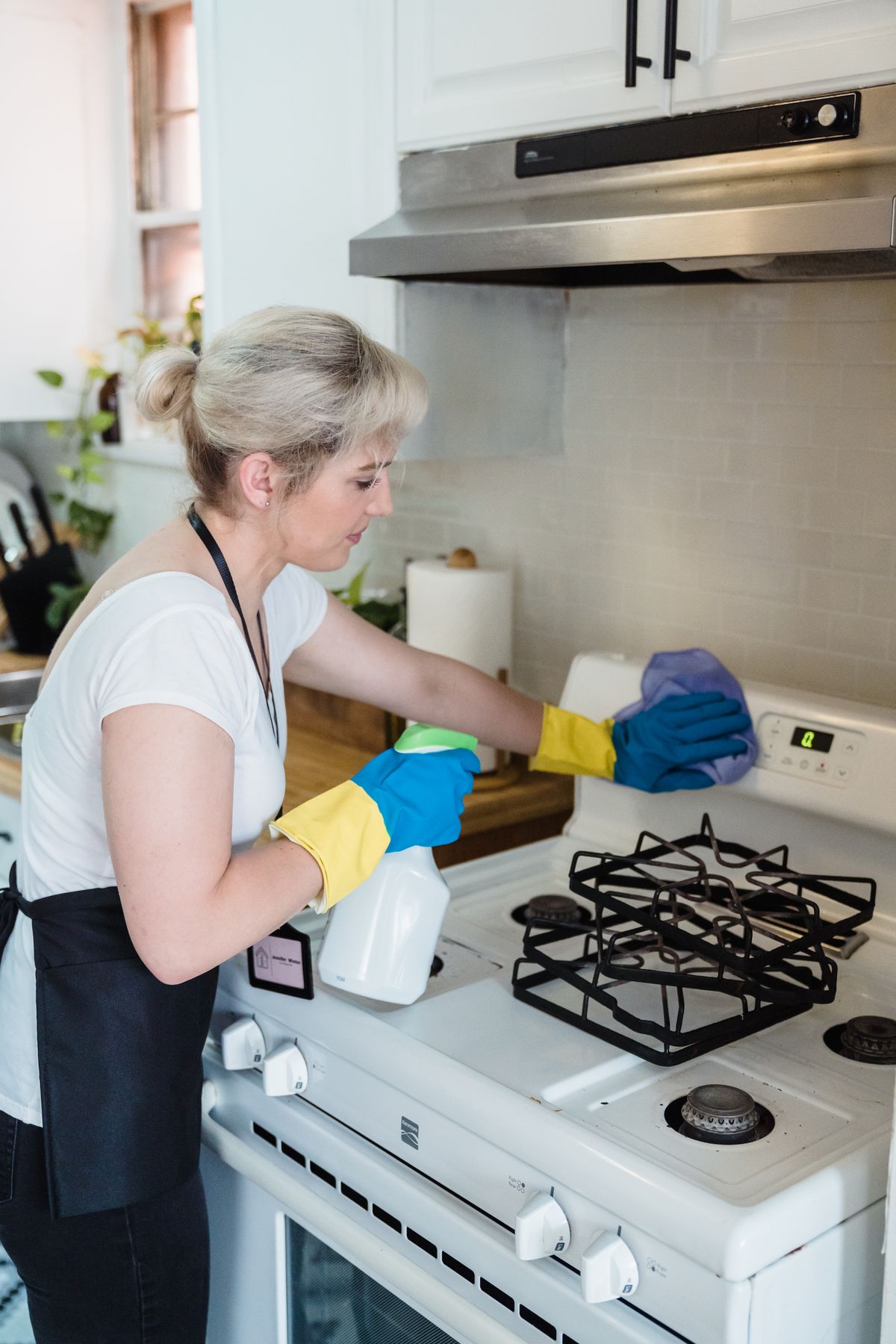
How to Remove Coffee Stains From a Kitchen Countertop
Quick Answer: How to Remove a Coffee Stain Quickly To remove a fresh or light coffee stain from almost any kitchen countertop, start by washing the area with warm water and a few drops of mild liquid dish soap, such as original blue Dawn, using a non-abrasive microfiber cloth. For stubborn, dried-on rings on quartz, laminate, or solid surfaces, apply a gentle paste made from three parts baking soda to one part water. Let the paste sit for 10 to 15 minutes, rub gently in small circular motions with a soft cloth, and rinse clean. For unsealed natural stone like granite or marble, do not use vinegar, lemon juice, or harsh acidic cleansers. Instead, apply a baking soda and 3 percent hydrogen peroxide poultice, cover it with plastic wrap, let it draw out the stain over 12 to 24 hours, and wipe it away. Always test any cleaning paste or specialized product in an inconspicuous spot before treating the center of your counter.
Why Coffee Stains Kitchen Countertops
Coffee is naturally rich in organic compounds known as tannins, along with natural oils and mild chromogens. Tannins are polyphenols that readily bind to porous and semi-porous surfaces, giving coffee its signature dark pigment and making it an effective natural dye. When hot coffee spills or drips down the side of a mug onto a kitchen counter, the heat slightly opens the micro-pores of natural materials, allowing the liquid to penetrate below the surface level before evaporating. In many American homes, the problem is compounded by municipal hard water. When hard water evaporates around a mug base or coffee maker drip tray, calcium and magnesium mineral deposits precipitate onto the counter. These mineral scales trap coffee tannins underneath them, creating a stubborn, crusty ring that resists standard surface wiping. Furthermore, the severity of a coffee stain depends directly on the countertop material: Natural Stone (Granite, Marble, Quartzite): Highly porous if the chemical penetrating sealer has worn off. Acidic or dark liquids sink into the stone pores. Engineered Quartz: Made from crushed stone bound with polymer resins. While non-porous, the resin binder can react poorly to abrasive cleansers, chemical solvents, or prolonged surface pooling of acidic tannins. Laminate and Formica: Built with resin-saturated kraft paper and a melamine wear layer. While resistant to moisture, seam gaps and microscratches from daily use allow coffee pigments to settle in permanently if left unaddressed. Wood and Butcher Block: Extremely porous. Unsealed or lightly oiled wood fibers absorb liquid immediately, pulling dark tannins deep into the grain. Materials Needed by Countertop Surface Before tackling the stain, gather the appropriate tools. Never use abrasive scrubbing pads (like steel wool or green Scotch-Brite pads) on delicate surfaces, as they cause micro-scratches that attract future stains. Standard Supplies for All Countertops: Soft microfiber cloths (several clean, dry towels) Mild dish soap (such as Dawn original) Warm water Baking soda (sodium bicarbonate) Plastic wrap and painter's tape (for poultice applications) Plastic scraper, old credit card, or silicone spatula Surface-Specific Specialty Items: For Natural Granite, Quartzite, and Marble: 3 percent hydrogen peroxide, pH-neutral daily stone cleaner, and penetrating stone sealer for re-application. For Engineered Quartz: 70 percent isopropyl rubbing alcohol or a manufacturer-approved stone cleaner. Avoid Bar Keepers Friend powder unless explicitly permitted by the quartz brand's warranty, and never use abrasive scouring powders. For Laminate and Formica: Baking soda, mild liquid laundry detergent, or a specialty non-bleach laminate cleaner. For Butcher Block: Coarse kosher salt, a fresh lemon (used strictly on wood, never on stone), 3 percent hydrogen peroxide, and food-grade mineral oil for conditioning. Step-by-Step Cleaning Instructions by Countertop Material Because every countertop reacts differently to chemical pH and physical abrasion, select the method specifically formulated for your material. Method 1: Engineered Quartz Countertops Engineered quartz consists of roughly 90 to 93 percent crushed quartz stone bound together by 7 to 10 percent polyester or acrylic resins. These resins are sensitive to heat, harsh chemicals, and strong abrasives.
Step 1: Wash the surface residue.
Apply warm water mixed with a few drops of dish soap to the coffee ring. Wipe thoroughly with a microfiber cloth to lift surface-level sugars, milk residues, and loose tannins.
Step 2: Apply a gentle baking soda slurry.
Mix baking soda and warm water until it forms a creamy paste with the consistency of toothpaste. Spread the paste directly over the coffee stain. Let it rest for 10 minutes to break the bond between the tannin molecules and the resin surface.
Step 3: Buff gently.
Using a damp microfiber cloth, buff the paste over the stain in light, overlapping circles. Do not bear down hard with your fingers, as dry baking soda can generate mild abrasion.
Step 4: Treat remaining discoloration with isopropyl alcohol.
If a faint yellow or brown halo remains, dampen a corner of a microfiber cloth with 70 percent isopropyl rubbing alcohol. Rub the spot gently. The alcohol dissolves coffee oils without harming the quartz resin matrix. Rinse thoroughly with water and dry immediately. Method 2: Granite, Marble, and Natural Stone Countertops Natural stone requires a careful approach. Marble, limestone, and travertine are composed of calcium carbonate, which etches instantly when exposed to acids like vinegar or lemon juice. Granite is harder, but still porous and vulnerable to discoloration.
Step 1: Clean with a pH-neutral cleaner.
Spray the area with a dedicated stone cleaner or mild soapy water. Wipe clean to ensure no gritty crumbs scratch the surface during treatment.
Step 2: Mix an absorbent poultice.
For sealed or unsealed stone, a poultice draws deep stains out from beneath the surface. In a small plastic bowl, mix baking soda with 3 percent hydrogen peroxide until it forms a thick paste resembling peanut butter. The hydrogen peroxide acts as an oxidizing agent that lightens organic tannins, while the baking soda acts as an absorbent wick.
Step 3: Apply the poultice.
Spread the paste over the coffee stain in a layer roughly one-quarter inch thick. Extend the paste about half an inch beyond the borders of the stain to ensure full coverage.
Step 4: Cover and seal.
Place a sheet of plastic wrap over the paste. Tape down the edges with painter's tape to trap moisture. Let the poultice sit undisturbed for 12 to 24 hours. The peroxide breaks down the stain while wet; as the paste slowly dries, it pulls the loosened coffee pigments up into the baking soda.
Step 5: Remove and rinse.
Remove the plastic wrap and let the paste dry completely if it has not already. Gently scrape off the dried crust using a plastic putty knife or an old credit card. Wipe the area with a damp microfiber cloth and dry thoroughly. If the stain has faded but remains faintly visible, repeat the process once more.
Step 6: Re-seal the area.
Because the poultice strips away surface sealers along with the stain, spray a small amount of penetrating stone sealer onto the treated area, allow it to penetrate according to the bottle directions, and buff dry. Method 3: Laminate and Formica Countertops (Renter-Friendly) Renters often deal with older laminate counters that have developed fine scratches from daily kitchen wear. These micro-crevices capture coffee pigments rapidly.
Step 1: Degrease the spot.
Squirt a single drop of concentrated dish soap onto the stain. Wet a cloth with hot tap water and work the soap into a rich lather over the coffee mark.
Step 2: Apply a baking soda and mild liquid detergent paste.
Mix three parts baking soda with one part liquid dish soap or mild laundry detergent. Spread the paste over the laminate stain. Let it sit for 20 to 30 minutes.
Step 3: Wipe without scrubbing hard.
Laminate surfaces have a thin decorative print layer under a clear topcoat. Wipe the paste away using a flat, damp sponge or microfiber cloth. Avoid vigorous scrubbing, which can dull the gloss of laminate surfaces.
Step 4: Treat hard water coffee rings.
If the coffee stain has bonded with hard water scale, dampen a paper towel with a tiny amount of diluted white vinegar (50 percent water, 50 percent vinegar) and hold it against the laminate stain for only 2 to 3 minutes. Wipe immediately with clean water and dry. Laminate handles mild diluted acid safely for very short intervals, but prolonged acid exposure can degrade edge adhesives. Method 4: Butcher Block and Solid Wood Countertops Wood is vulnerable to liquid staining. If water or coffee sits on unsealed or mineral-oiled butcher block, the tannins dye the wood fibers.
Step 1: Clean surface grime.
Wipe the area with warm water and a small amount of dish soap. Dry completely with a towel.
Step 2: Scrub with salt and lemon.
Pour a generous layer of coarse kosher salt over the stain. Cut a fresh lemon in half and use the cut side as a scouring pad to scrub the salt into the stained wood grain. The citric acid naturally bleaches organic coffee tannins, while the coarse salt lifts trapped oils without gouging the wood fibers.
Step 3: Wipe and inspect.
Wipe away the salt and lemon juice with a damp cloth. If the stain is gone, allow the wood to air dry thoroughly.
Step 4: Treat deep stains with 3 percent hydrogen peroxide.
If dark coffee marks remain deep in the grain, saturate a cotton ball with 3 percent hydrogen peroxide and dab it directly onto the stain. Allow it to sit for 15 minutes, then wipe clean with a damp cloth. Hydrogen peroxide safely oxidizes organic wood stains without stripping the wood's natural tone like industrial wood bleach.
Step 5: Recondition the wood.
Acid and peroxide draw out the natural oils from butcher block. Once the wood is bone dry, apply a liberal coat of food-grade mineral oil or butcher block conditioner (a blend of mineral oil and beeswax). Let it soak in for an hour, then buff off the excess with a clean rag. Method 5: Solid Surface (Corian) and Ceramic Tile Countertops Solid surface materials and glazed ceramic tiles are non-porous and highly resilient, making stain removal straightforward.
Step 1: Apply warm soapy water.
Wipe the surface with a standard microfiber cloth to remove recent spills.
Step 2: Use an approved mild abrasive cleanser.
For solid surface materials like Corian, apply a pea-sized amount of a gentle non-bleach abrasive cleanser or a baking soda paste. Buff gently with a non-scratch sponge pad using light circular motions.
Step 3: Clean stained tile grout.
If coffee has soaked into the porous cement grout lines between tiles, apply a paste of baking soda and 3 percent hydrogen peroxide directly to the grout line. Let it foam and sit for 15 minutes, then scrub the grout line with a small, soft-bristled brush (such as an old toothbrush). Rinse with warm water and dry.
What NOT to Do: Common Countertop Cleaning Mistakes
Using the wrong cleaning technique or chemical agent can turn a temporary coffee stain into permanent countertop damage. Avoid these common mistakes: Never use vinegar or lemon juice on granite, marble, or quartz. Acids dissolve the calcium carbonate in marble and degrade the protective resin binder on engineered quartz, leaving dull, rough etch marks that resemble permanent stains. Do not use dry abrasive powders or scouring pads. Heavy-duty scouring powders containing silica or feldspar, as well as green synthetic scouring pads, leave fine scratches across glossy finishes. Over time, these micro-abrasions create cloudy patches that trap dirt and tannins faster. Never mix household chemicals. Mixing bleach with ammonia, vinegar, hydrogen peroxide, or general surface cleaners generates dangerous chloramine gas, chlorine gas, or peracetic acid. These chemical reactions pose severe respiratory hazards and can permanently dislodge countertop glazes. Do not let stains sit under heat. Placing a hot coffee pot directly over a spill can bake the tannins into porous stone or warp laminate adhesives. Always lift appliances to wipe spills immediately. Safety and Material Warnings When cleaning kitchen surfaces where food preparation takes place, keep these fundamental safety practices in mind: Ventilation: Even mild cleaning agents and rubbing alcohol emit vapors in enclosed spaces. Always turn on your kitchen range hood or open a window when working with cleaning agents over extended periods. Product Labels: Read the manufacturer label on every commercial cleaner. Many stone cleaners specify minimum dwell times and require thorough post-application water rinses before the surface is safe for direct food contact. Rental Considerations: If you are renting an apartment or home, do not attempt to sand out stains on wood or laminate, and avoid using industrial solvent chemicals. Doing so can void lease agreements and result in security deposit deductions. Stick to gentle, non-destructive poultices made from baking soda and mild dish soap. Spot Testing: Always perform a patch test on a hidden section of your counter—such as inside a microwave nook, under an appliance edge, or behind the coffee maker—before applying hydrogen peroxide, alcohol, or specialty cleaners to visible worktops. Long-Term Maintenance and Prevention Tips Preventing coffee stains requires less effort than removing set-in rings. Implementing a few simple kitchen habits protects your countertop investment: Use Silicone Drip Mats: Place a washable silicone mat with a raised lip underneath your coffee maker, grinder, and pour-over station. This catches overflowing carafes, coffee grounds, and stray drips before they make contact with the counter surface. Perform the Water Drop Test on Natural Stone: To check if your granite or marble requires resealing, place a few drops of water on the surface. If the water beads up tightly, your seal is intact. If the water flattens and darkens the stone within 5 to 10 minutes, the sealer has worn away, leaving the counter susceptible to coffee, wine, and oil stains. Reapply a high-quality penetrating sealer every 12 to 24 months. Keep Microfiber Towels at Your Coffee Station: Wiping up drips immediately with a dry or lightly dampened microfiber cloth prevents tannins from evaporating into a concentrated resin layer. Address Hard Water Buildup Early: If hard water scale regularly forms around your sink and coffee station, wipe down surfaces with filtered or distilled water during deep cleans to prevent calcium deposits from bonding with spilled coffee.
Frequently Asked Questions
Will Bar Keepers Friend remove coffee stains from quartz? Bar Keepers Friend contains oxalic acid, which can dull the resin finish on certain brands of engineered quartz if used incorrectly. While some manufacturers approve the use of Bar Keepers Friend Liquid (MORE spray or soft cleanser) for short dwell times, you should never use the dry abrasive powder on quartz. Always check your specific quartz manufacturer's care guidelines first, and test an inconspicuous area.
How do I get a coffee stain out of unsealed granite without bleaching the stone?
A poultice made from baking soda and 3 percent household hydrogen peroxide is the safest method. At a 3 percent concentration, hydrogen peroxide lifts the organic color of coffee tannins without stripping the natural mineral colors from deep inside the granite.
Why does a coffee ring keep reappearing in the exact same spot?
When a coffee stain reappears after surface cleaning, the stain has penetrated into the sub-surface pores of the stone or wood. As moisture rises and evaporates from within the material, it pulls deep-set tannins back up to the top layer. Applying a thick poultice covered in plastic wrap for 24 hours draws the pigment out completely from the sub-surface.
Can I use standard chlorine bleach on laminate counters to remove coffee marks?
Diluted bleach can remove stains on some white laminates, but it carries a high risk of permanently discoloring colored or patterned Formica. Bleach can also weaken laminate seams and dissolve edge glue over time. Stick to a baking soda paste or gentle dish soap first.
How long can I leave a baking soda paste on quartz?
You can safely leave a water-and-baking-soda paste on quartz for 10 to 15 minutes. Do not let the paste dry into a rock-hard crust, as rubbing dry baking soda forcefully against quartz resin can cause faint micro-marring. Wipe it clean while it remains slightly damp.