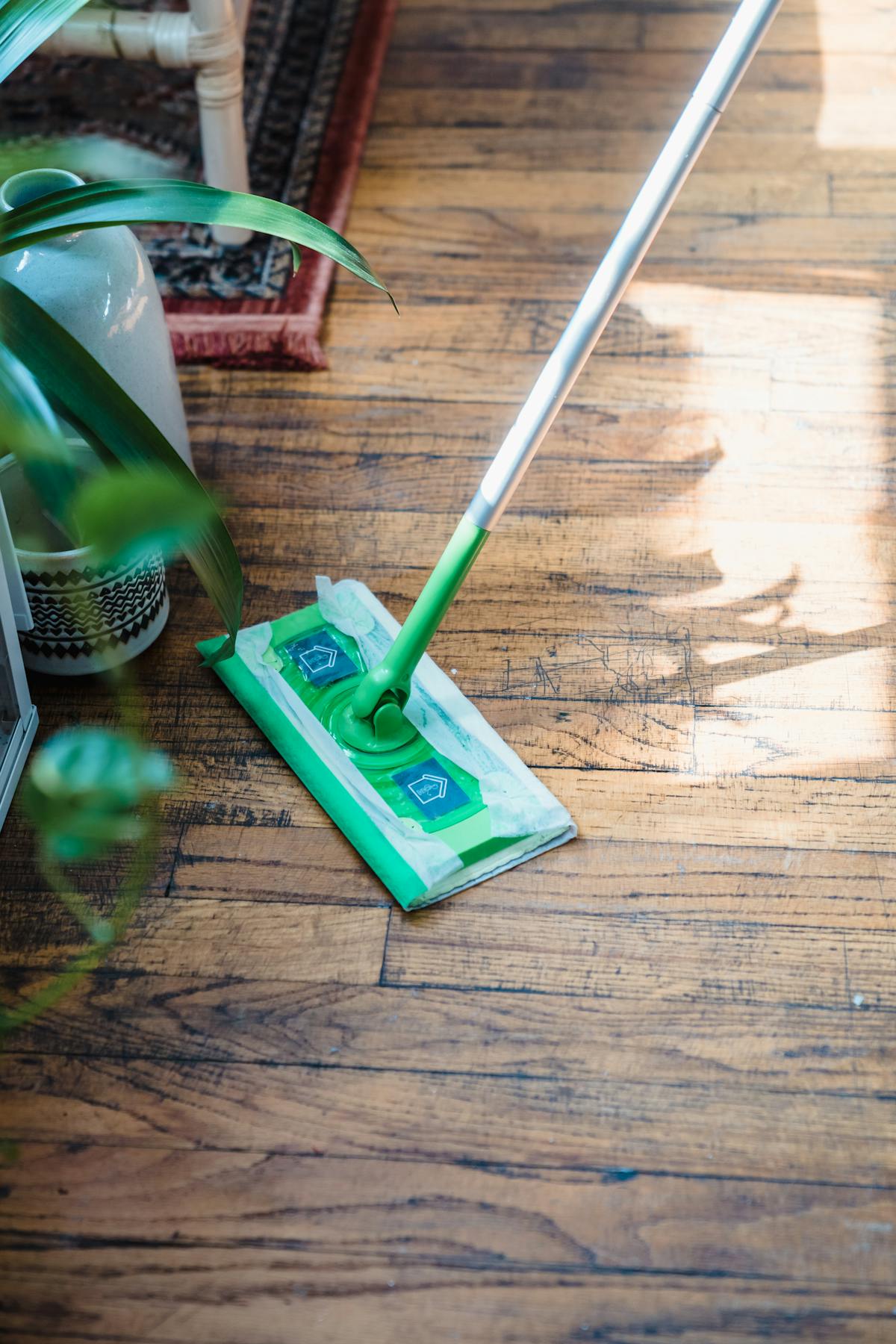
DIY Natural Floor Cleaner Recipes for Common US Floor Types Homemade floor cleaners can be useful when you want a short ingredient list, but the safest recipe depends on the flooring. There is no single natural cleaner that belongs on every floor. Tile, vinyl, laminate, hardwood, and natural stone can react very differently to water, acids, and oils. The Quick Answer For many sealed, water-resistant floors, a small amount of mild dish soap diluted in warm water is a simple starting point. Avoid flooding floors. For natural stone such as marble, limestone, or travertine, skip vinegar and other acidic DIY recipes because acids can etch the surface. Always follow the flooring manufacturer's care instructions first. Materials Needed
- Bucket or spray bottle
- Warm water
- Mild dish soap
- Microfiber mop or cloth
- Clean water for rinsing when needed
- Dry towel for moisture-sensitive floors
Recipe 1: Mild Soap Floor Cleaner Mix a small amount of mild dish soap into warm water. The goal is a lightly soapy solution, not a bucket full of suds. Use it with a well-wrung microfiber mop on a compatible sealed floor. Recipe 2: Simple Water-First Routine For floors that are already lightly soiled, plain warm water and a clean microfiber mop may be enough. This is especially useful when the goal is removing dust and footprints rather than grease. Less product also means less residue. Step-by-Step Instructions 1. Identify the floor Check whether you have ceramic or porcelain tile, vinyl, laminate, hardwood, or natural stone. If you rent, look at the move-in information or ask the property manager before using an unfamiliar cleaner. 2. Vacuum or sweep first Loose grit can act like sandpaper under a wet mop. Remove it before adding moisture. 3. Use minimal water Dampen the mop rather than soaking the floor. Standing water can damage seams, wood finishes, and some engineered surfaces. 4. Mop in manageable sections Work toward the exit and rinse the mop frequently. A dirty mop simply spreads soil around. 5. Dry when appropriate If the floor manufacturer recommends it, use a dry microfiber pad to remove remaining moisture.
What NOT to Do
- Do not use vinegar on marble, limestone, travertine, or other acid-sensitive stone.
- Do not mix vinegar with bleach or other cleaners.
- Do not add essential oils to a floor cleaner just because they smell pleasant; oils can leave residue and may make floors slippery.
- Do not saturate hardwood, laminate, or floors with vulnerable seams.
US Market Gaps and Practical Tips Many US homes combine different flooring types in the same open-plan space. Instead of making one strong cleaner for the whole house, keep a simple floor-care kit and match the method to each material. Apartment renters should also avoid homemade mixtures that could void a manufacturer's finish warranty. Maintenance Tips Vacuum high-traffic areas regularly, mop before visible grime builds up, and place entry mats near exterior doors. The biggest improvement often comes from reducing the amount of soil that reaches the floor in the first place. FAQ Is vinegar a natural floor cleaner? Yes, but natural does not mean universally safe. Vinegar is acidic and can damage natural stone and some finishes.
Can I use dish soap on floors?
A small amount of mild dish soap can work on some sealed surfaces, but follow the floor manufacturer's instructions and avoid excess soap. Are DIY cleaners always safer? No. Homemade mixtures can still damage surfaces or create hazardous chemical reactions. Simple is not the same as risk-free.