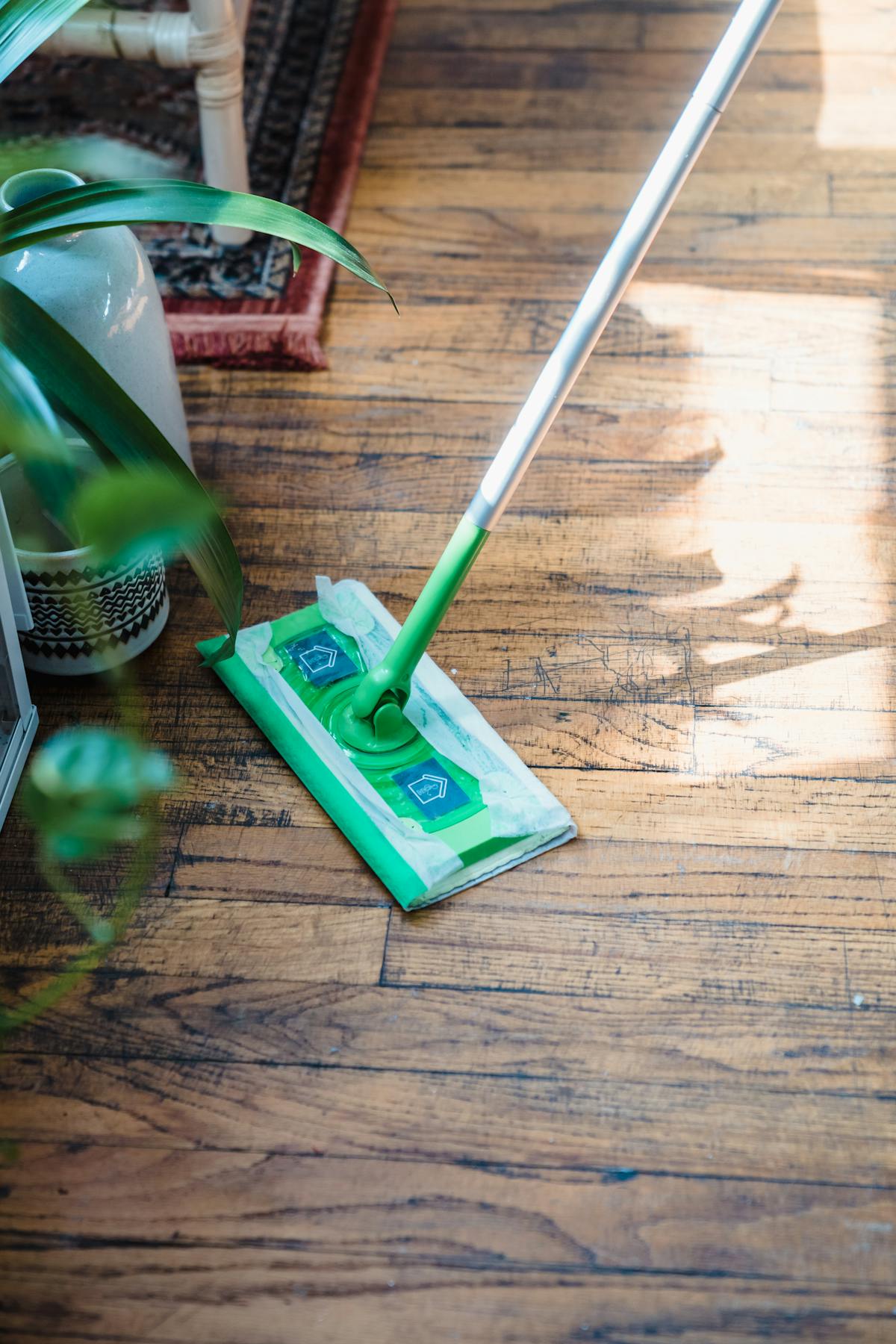
Tile floors are durable and easy to maintain, but the wrong cleaning routine can leave streaks, residue or a dull-looking surface. Choosing a suitable floor-cleaning product and using the right amount of water can make everyday cleaning much easier.
What makes a good floor-cleaning routine?
A useful routine removes everyday dust and dirt without leaving a heavy residue. It should also suit the flooring material and the manufacturer's care instructions. Before using any new cleaner, check whether it is recommended for your particular tile and finish.
Step 1: Remove loose dust first
Sweep or vacuum the floor before mopping. Dust, sand and small particles can otherwise spread around during wet cleaning. In high-traffic areas, a quick dry clean before mopping can make a noticeable difference.
Step 2: Dilute the cleaner as directed
If the floor cleaner requires dilution, follow the label rather than estimating a stronger mixture. More concentrated cleaner does not automatically mean a cleaner floor and can increase residue or make rinsing harder.
Step 3: Use a clean mop
A mop should be clean before you begin. Change dirty water when necessary, especially when cleaning a large floor. Mopping with heavily contaminated water can simply redistribute dirt.
Step 4: Avoid excessive water
Use enough moisture to clean effectively but avoid leaving standing water on the floor. Excess water can enter joints, edges or areas around fixtures and may create maintenance problems.
How often should tile floors be cleaned?
Daily dry cleaning is useful in dusty or high-traffic homes. Wet mopping can be done according to foot traffic, household activity and visible dirt. Kitchens, entrances and frequently used rooms generally need more attention than low-traffic rooms.
Common floor-cleaning mistakes
Using too much cleaner is one of the most common mistakes. Other problems include using a dirty mop, ignoring corners and edges, failing to remove loose dirt first, and using a product that is unsuitable for the flooring material. Mixing several cleaning chemicals is another mistake that should always be avoided.
What about marble, natural stone and special surfaces?
Do not assume that a product suitable for ceramic or vitrified tiles is suitable for every floor. Natural stone and specialty finishes can have different care requirements. Check the flooring manufacturer's recommendations and the cleaner label before use. A practical routine for Indian homes Keep a clean broom or vacuum, a suitable mop and the appropriate floor-cleaning product available. Dry-clean entrances and dusty areas regularly. Wet mop high-use rooms more frequently. Clean the mop after use and allow it to dry. Mr Glowra floor-cleaning products Mr Glowra offers floor-cleaning products for household cleaning routines. Select the product appropriate for your use and follow its label directions. If you are trying a product on a new or sensitive surface, test according to the manufacturer's guidance first. The best floor cleaner is not simply the strongest one. It is the product that is appropriate for the surface, used at the recommended concentration and combined with a sensible cleaning routine.