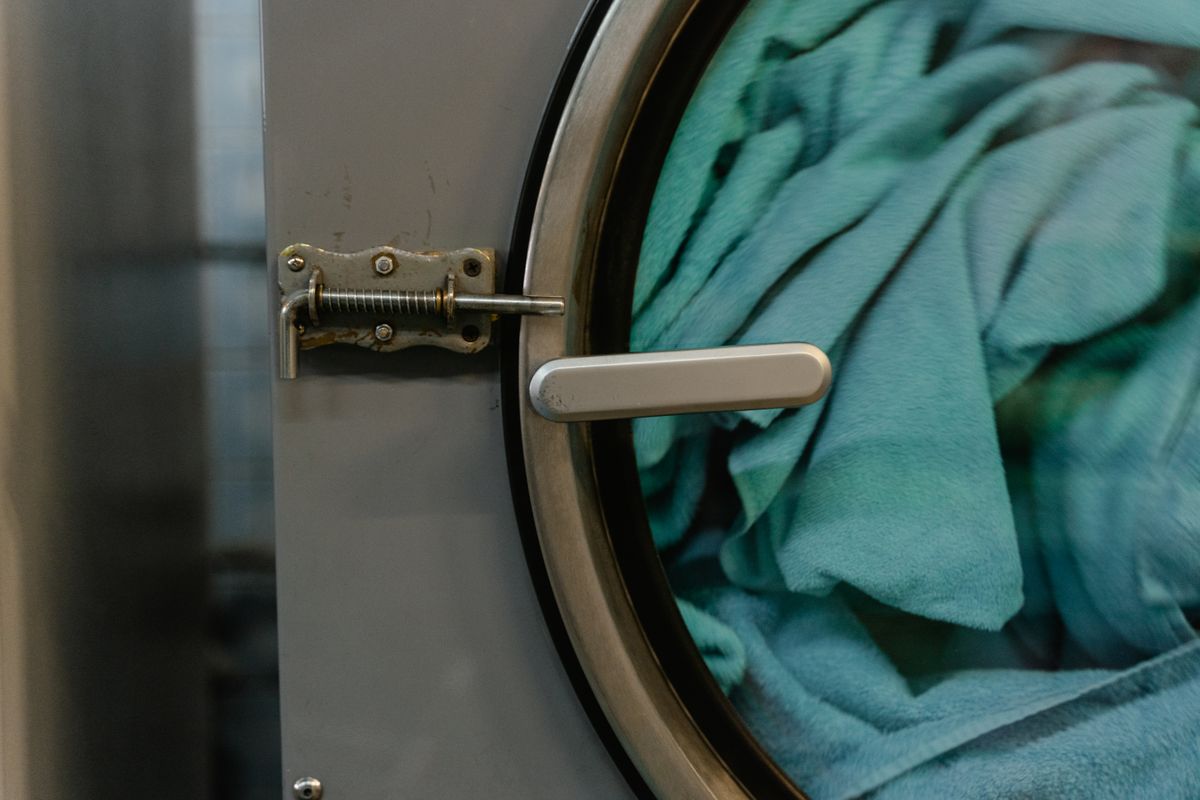
# How to Clean a Washing Machine That Smells A washing machine is supposed to clean clothes, but the appliance itself can develop a musty or sour smell. The odor often comes from moisture, detergent residue, trapped lint, and buildup in areas that stay damp between cycles. The solution is usually a combination of cleaning the accessible parts and changing a few everyday habits. ## Why washing machines smell Modern washers use relatively little water compared with older machines. That is efficient, but residue can remain if the washer is repeatedly used with excess detergent, low-temperature cycles, or heavy loads. A door gasket can also hold moisture and small pieces of lint. Front-load machines are particularly likely to develop odors when the door remains closed after a wet cycle. Top-load machines can also develop buildup around dispensers, lids, tubs, and other damp areas. ## Step 1: Empty the washer Start with an empty drum. Remove clothing, towels, and anything else inside. Check the gasket, dispenser, and drum for visible debris. If you see hair, lint, paper, or other material, remove it before running a cleaning cycle. Read the appliance manufacturer's cleaning instructions before using a washer-cleaning product. Different machines have different requirements. ## Step 2: Clean the door gasket If your washer has a rubber door gasket, gently pull back the accessible folds and inspect for lint, hair, residue, or trapped objects. Wipe the area with a soft cloth and a cleaning method approved for the appliance. Do not use excessive force or sharp objects. The gasket forms part of the door seal and can be expensive to replace if damaged. Dry the folds after cleaning. ## Step 3: Clean the detergent dispenser Detergent and fabric-softener residue can accumulate in dispenser compartments. Remove the dispenser if the manufacturer allows it. Rinse and clean the accessible parts, then dry them before reinstalling. If the dispenser has a narrow channel, use a small soft brush rather than a sharp tool. Check for hardened residue that may restrict water flow. ## Step 4: Run the washer's cleaning cycle Many modern washing machines have a dedicated tub-clean, drum-clean, or washer-clean cycle. Use it according to the manufacturer's instructions. If the manual specifies a particular cleaner or cleaning product, follow that guidance rather than experimenting with household chemicals. Do not mix cleaners. Never combine bleach with acids, ammonia, vinegar, or toilet cleaners. A chemical reaction can produce dangerous fumes. ## Step 5: Clean accessible filters or drains Some washing machines have user-serviceable drain filters or pump filters. If your model has one, check the owner's manual for the correct cleaning procedure. Turn the appliance off and follow all safety instructions before opening any filter area. Be prepared for trapped water. Place a suitable container or towel where the manufacturer recommends. If you are unsure how the filter works, do not remove components simply to investigate a smell. ## Step 6: Dry the machine After cleaning, wipe accessible wet areas and allow the washer to dry. For front-load machines, leave the door slightly open when the manufacturer and household setup allow it. For top-load machines, allow the tub to dry between uses rather than keeping it permanently sealed while damp. Keep children and pets away from an open appliance when necessary. ## Use the right amount of detergent More detergent does not necessarily mean cleaner clothes. Excess detergent can leave residue, particularly when the washer is not designed for that amount. Follow the detergent manufacturer's instructions and your washer's recommendations. High-efficiency machines generally require detergent intended for HE use. If you frequently notice residue or odor, review the detergent amount, load size, and cycle settings rather than simply adding more detergent. ## Do not overload the washer An overloaded drum may reduce cleaning performance and leave more residue behind. Follow the washer manufacturer's load recommendations. Give clothes enough room to move through the cycle. Overloading can also make it harder for the machine to rinse thoroughly. ## Should you leave the washer door open? For many front-load machines, leaving the door slightly ajar after use helps the interior dry. Follow the manufacturer's instructions and make sure the opening is safe for children and pets. If the machine has a specific ventilation or door-locking recommendation, follow that instead. ## A simple weekly maintenance routine You can reduce future odors with a few minutes of maintenance each week:
- Remove wet laundry promptly.
- Wipe visible moisture from the gasket.
- Check the dispenser for residue.
- Leave the machine ventilated when appropriate.
- Inspect for trapped lint or small objects.
- Use the manufacturer's cleaning cycle on its recommended schedule.
This routine is more effective than waiting until the washer develops a strong smell. ## What if the smell keeps returning? Persistent odor can have several causes, including buildup in inaccessible areas, drainage problems, a dirty filter, or an appliance fault. Follow the manufacturer's troubleshooting instructions. If water remains in the machine, the washer drains slowly, or there are unusual noises or leaks, professional service may be appropriate. Do not disassemble electrical or plumbing components unless you are qualified and the manufacturer specifically permits the work. ## Can floor cleaner be used in a washing machine? No general rule says a floor cleaner is appropriate for a washing machine. Floor cleaners are formulated for floor surfaces. Mr Glowra floor-cleaning products should be used according to their labels and intended applications, not poured into appliances as a substitute for washer-cleaning products. ## Quick comparison of odor-control habits | Habit | Why it helps | |---|---| | Remove laundry promptly | Reduces prolonged dampness | | Dry the gasket | Limits moisture and residue | | Clean the dispenser | Removes detergent buildup | | Use the correct detergent amount | Reduces excess residue | | Run the recommended tub-clean cycle | Helps maintain the washer interior | | Keep the washer ventilated when appropriate | Helps the interior dry | ## FAQ ### Why does my washer smell worse after washing towels? Towels hold a lot of moisture and can retain detergent or body oils. Remove them promptly after the cycle and make sure the washer has adequate time to dry. ### Can I use vinegar and bleach together? Never. Do not mix bleach with vinegar or acids. Also avoid mixing bleach with ammonia or toilet cleaners. ### How often should I clean my washing machine? Follow the appliance manufacturer's recommended maintenance schedule. A quick inspection and wipe each week can help prevent buildup between deeper cleaning cycles. ## Final takeaway A smelly washing machine usually needs source control rather than a stronger fragrance. Clean the gasket and dispenser, remove trapped debris, use the manufacturer's tub-clean procedure, use the correct amount of detergent, and allow the washer to dry between uses. If the odor persists alongside drainage problems, leaks, unusual noises, or other faults, move from cleaning to appliance troubleshooting. A clean washer should not need a heavy fragrance to smell fresh; it should be maintained so moisture and residue do not build up in the first place.