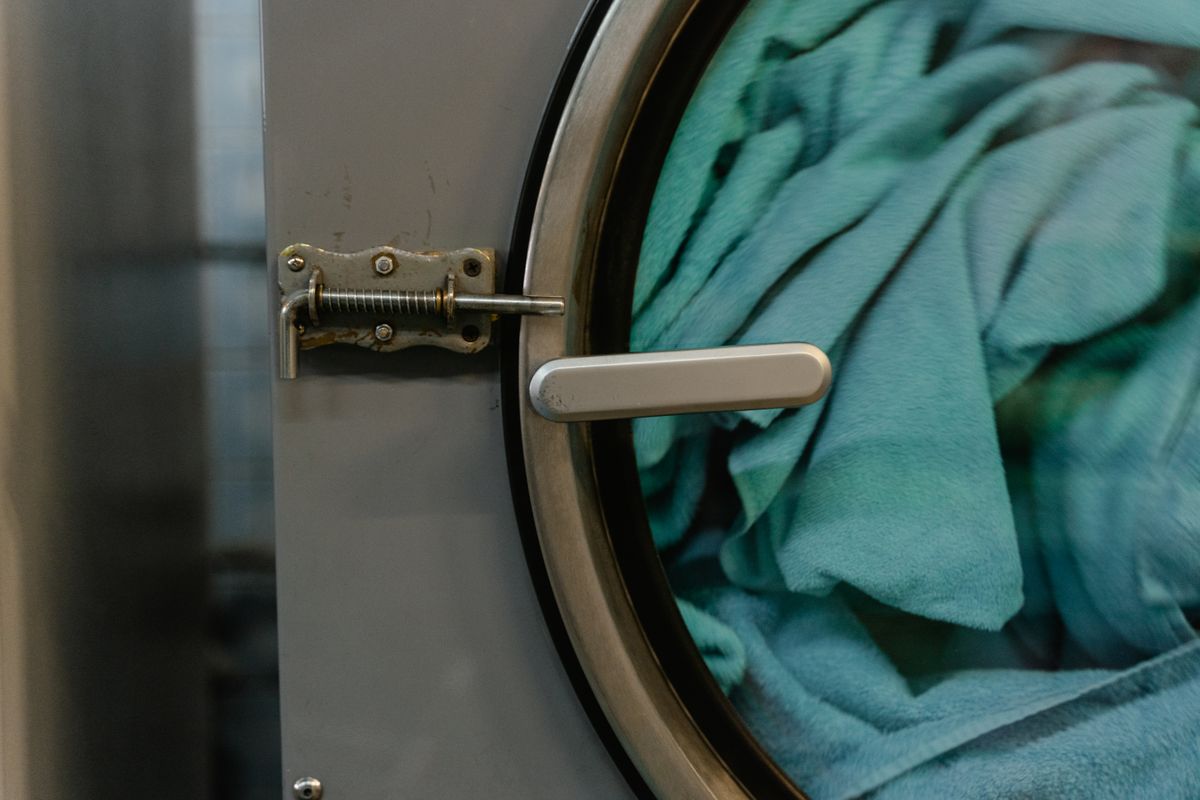
A washing machine should leave clothes smelling clean, not musty. Yet a mildew-like odor is common when moisture, detergent residue, lint and body oils collect in places that stay damp between cycles. Front-load washers are especially prone to odor around the rubber door gasket and dispenser. The Quick Answer Clean the door gasket, detergent drawer and accessible filter, run the washer's manufacturer-approved cleaning cycle, and leave the door and dispenser open after use so moisture can escape. Do not mix bleach with vinegar or other cleaners.
Why the Washer Smells
The drum can look clean while residue hides behind the gasket folds, inside the detergent drawer or around the drain system. Using too much detergent can also create buildup. A washer that is repeatedly closed while wet provides an ideal environment for odor-causing residue.
Step 1: Clean the Rubber Door Gasket
Open the door and inspect every fold of the gasket. Remove hair, lint and visible debris. Wipe the rubber with a microfiber cloth and the cleaner recommended by your washer manufacturer. Pay special attention to the bottom of the gasket where water may collect.
Step 2: Clean the Dispenser
Remove the detergent drawer if the manual allows it. Rinse away detergent and softener residue using warm water. Use a soft brush for corners. Dry the drawer and the compartment before replacing it.
Step 3: Clean the Filter if Accessible
Some front-load washers have a user-accessible drain pump filter. Follow the manual exactly because water may spill when the filter is opened. Place a towel and shallow container underneath if the manufacturer recommends it. Remove trapped debris and reinstall the filter correctly.
Step 4: Run a Cleaning Cycle
Use the washer's dedicated Clean Washer or Tub Clean cycle if available. Use only the cleaning product and amount specified by the manufacturer. Do not improvise by combining multiple products.
Step 5: Change the Daily Habit
After the final load, remove wet clothes promptly. Wipe excess moisture from the gasket and leave the door slightly open if the washer design and household safety setup allow it. Leave the detergent drawer open enough to dry.
How Often Should You Clean It?
A quick gasket and dispenser check every week is useful in high-use households. Run the manufacturer's cleaning cycle at the interval stated in the manual. Homes with frequent laundry, humid conditions or persistent odor may need more frequent maintenance. If the Smell Keeps Coming Back Persistent odor can indicate a clogged drain, drainage problem, hidden residue or a mechanical issue. If cleaning does not solve it, consult the manufacturer's troubleshooting guide or a qualified appliance technician. FAQ
Why does my front-load washer smell worse than a top-loader?
The sealed front door and rubber gasket can retain moisture and residue if the machine is not dried between uses.
Can I use vinegar and bleach together?
No. Never mix bleach with vinegar or other cleaners.
Should I leave my washer door open?
If the manufacturer permits it and there is no safety concern, leaving the door ajar after use can help the interior dry.