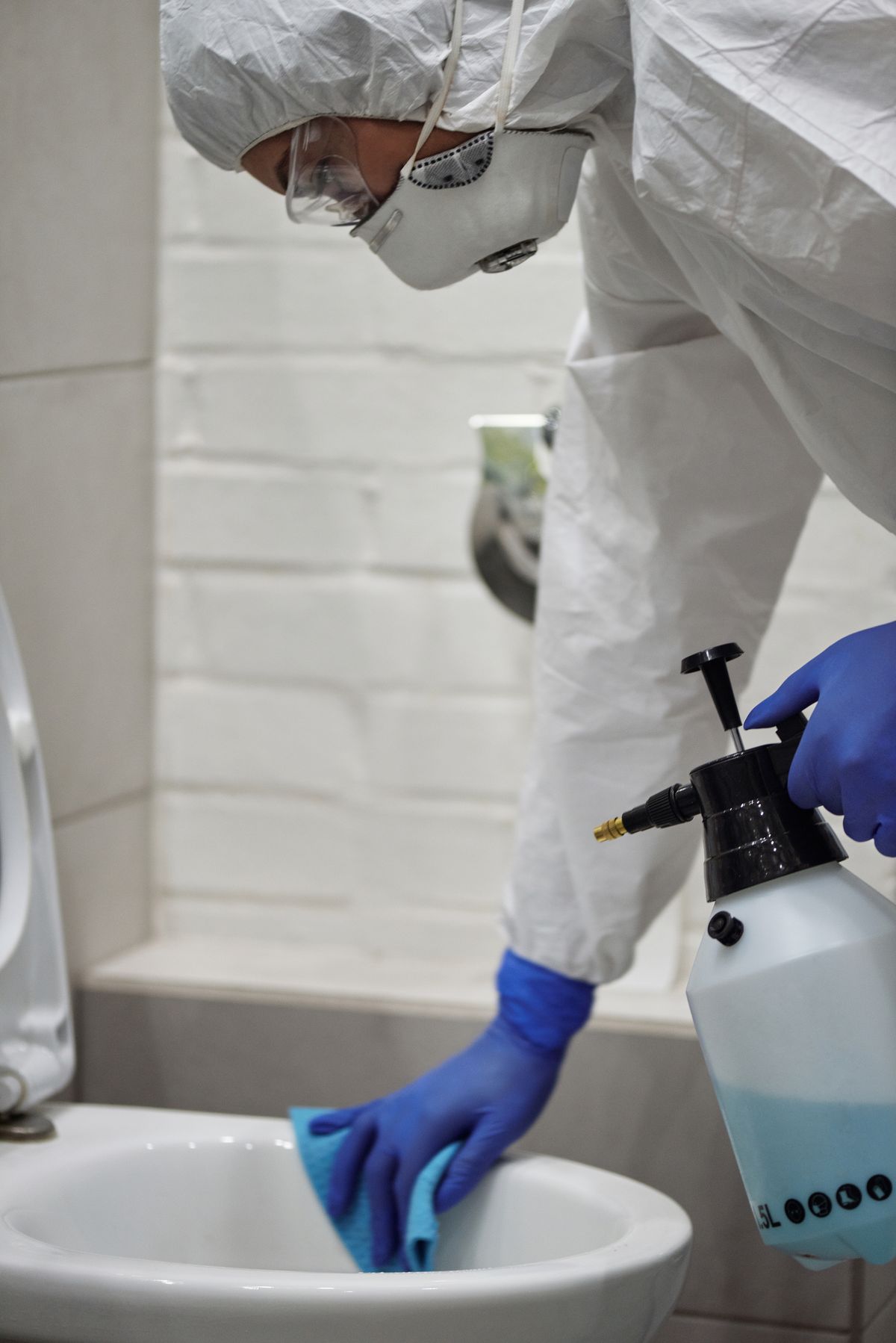
Hard-water deposits are a common bathroom-cleaning problem. When water evaporates repeatedly, minerals can leave white, yellow or brown marks around the waterline and other wet areas. The right approach depends on the type of deposit, the toilet surface and the cleaning product you use.
Why do hard-water stains form?
Water contains dissolved minerals. When water droplets dry, some of those minerals can remain on the surface. Repeated wetting and drying can gradually create a visible deposit. The longer a deposit remains, the more difficult it may be to remove. Start with the safest practical approach Before treating a stubborn mark, identify the surface and read the label of the cleaning product you plan to use. Ventilate the bathroom and wear suitable household gloves. Never use an abrasive tool that could scratch the porcelain or glazed surface. Use a toilet cleaner correctly For deposits that the product is designed to address, apply the toilet cleaner exactly as directed. Follow the stated contact time instead of assuming that more product or a longer contact time is better. Use a dedicated toilet brush for scrubbing and avoid splashing. Do not mix cleaning chemicals This is especially important when dealing with toilet stains. Do not mix an acidic toilet cleaner with bleach or chlorine-containing products. Do not add another bathroom cleaner to the bowl while the first product is still present. Chemical combinations can produce dangerous reactions or fumes. If you need to change products, follow the manufacturer's instructions for rinsing and safe use.
What if the stain does not disappear immediately?
Stubborn deposits may need repeated cleaning sessions rather than aggressive scrubbing. Follow the product instructions each time. If the mark is actually damage to the glaze, rust, or a permanent discoloration, stronger chemicals may not solve the underlying problem. In that situation, avoid damaging the surface further and consider professional advice.
How to prevent hard-water buildup
Prevention is easier than dealing with a thick deposit. Keep the toilet regularly cleaned so mineral residue does not have weeks to accumulate. Check around the waterline during routine cleaning. Fix leaking or continuously running plumbing because constant water flow can contribute to recurring deposits.
A simple maintenance schedule
During routine bathroom cleaning, inspect the waterline and rim. Clean visible deposits early. Once a week, perform a more complete bowl clean and clean the seat, lid, flush area and surrounding surfaces using appropriate methods. Adjust the frequency to the amount of use and the conditions in your home. Mr Glowra Toilet Cleaner Mr Glowra Toilet Cleaner can be included in a regular toilet-cleaning routine when used according to its label. Always check the label for directions, precautions and compatible surfaces. The safest cleaning method is the one that follows the manufacturer's instructions and avoids unnecessary chemical combinations. The key lesson Hard-water stains are easier to manage when treated early. Use a suitable cleaner as directed, scrub with a dedicated toilet brush, avoid damaging the surface and never mix cleaning chemicals. Consistent maintenance can keep the toilet looking cleaner without turning every stain into a major cleaning project.