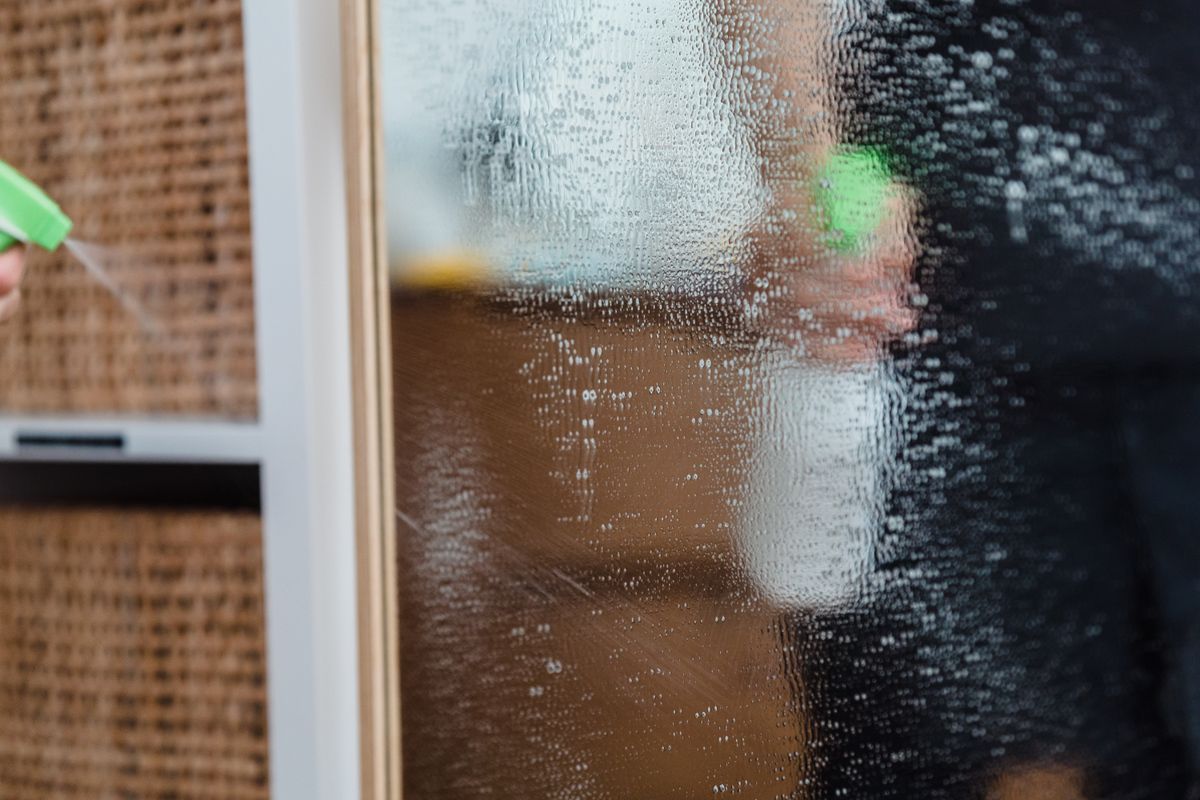
How to Clean Soap Scum Off Glass Shower Doors
Soap scum on shower glass is usually a combination of soap or body-wash residue, minerals in water, skin oils, and moisture. The longer it sits, the more cloudy and stubborn the glass can become. The good news is that most everyday buildup can be removed without harsh scrubbing. The Quick Answer For ordinary soap scum, start with warm water and a few drops of dish soap on a non-scratch sponge or microfiber cloth. Work in small sections, rinse thoroughly, and dry the glass. For heavier mineral buildup, a properly labeled bathroom or hard-water cleaner may work better. Always test a cleaner in an inconspicuous area first. Materials Needed
- Microfiber cloths
- Non-scratch sponge
- Warm water
- Mild dish soap
- Squeegee
- Optional commercial hard-water or bathroom cleaner
- Gloves and ventilation when using a commercial cleaner
Step-by-Step Instructions 1. Remove loose residue Rinse the glass with warm water to soften fresh film and remove loose particles. Avoid starting with a dry abrasive pad because trapped grit can scratch glass. 2. Make a mild cleaning solution Add a small amount of dish soap to warm water. Too much soap can leave its own film, so more is not better. 3. Wash the glass Use a microfiber cloth or non-scratch sponge. Work from top to bottom and give extra attention to the lower portion of the door, where product residue often accumulates. 4. Rinse completely Rinse until the slippery feeling and visible cleaner residue are gone. Remaining cleaner can attract more grime. 5. Dry the doors Use a clean microfiber cloth, then run a squeegee over the glass. Drying matters because water droplets can leave mineral deposits behind.
What to Do About Hard Water Stains
If the glass still looks cloudy after soap residue is removed, minerals may be the bigger problem. Use a cleaner specifically labeled for hard-water or mineral deposits and follow its label. Do not assume a stronger chemical is safer or faster.
What NOT to Do
- Do not use steel wool or rough scouring pads on shower glass.
- Do not mix bleach with acids, vinegar, ammonia, or other cleaners.
- Do not leave acidic cleaners on metal frames or hardware longer than the label allows.
- Do not use a cleaner without checking whether it is appropriate for the glass, coating, sealant, and surrounding materials.
US Home Cleaning Tips Generic Guides Miss Hard-water conditions vary widely across the US, so a routine that works in a soft-water home may not be enough in a mineral-heavy area. If buildup returns quickly, focus on drying the glass rather than repeatedly increasing cleaner strength. In apartments, a small handheld squeegee kept inside the shower can make daily maintenance easier without permanent changes to the bathroom. Maintenance Tips Squeegee the glass after each shower, leave the door open when practical so moisture can escape, and give the doors a proper wash weekly. A 30-second wipe after showering can prevent a much longer cleaning session later. FAQ
How often should shower glass be cleaned?
Light maintenance after each shower plus a deeper cleaning about once a week works well for many households. High-use bathrooms may need more frequent cleaning.
Why does my shower glass turn cloudy so quickly?
Soap residue and water minerals can both create cloudiness. If washing removes some film but leaves a white haze, mineral deposits may be involved.
Can I use abrasive powder on shower glass?
It is safer to avoid abrasive powders unless the product specifically says they are suitable for the surface. Glass can scratch, and shower coatings can be damaged.